Back-to-school season has a funny way of turning a relaxed household into organized chaos.
The alarm goes off earlier. Everyone is looking for shoes. Lunches need to be packed. Backpacks somehow disappear overnight. Suddenly, the kids who spent all summer at home are heading out the door for most of the day.
Your dog notices all of it.
They may not understand why everyone suddenly has somewhere to be, but they know their routine has changed. Summer may have meant extra walks, more playtime, more people around the house, and plenty of attention throughout the day.
Then school starts, and the house gets quiet.
Some dogs handle that transition without missing a beat. Others start barking, chewing, pacing, jumping, pulling on the leash, or struggling when left alone.
That does not necessarily mean your dog is being difficult. It may simply mean they are having a hard time adjusting.
With the right routine and dog behavioral training in Tampa, you can help your dog understand the new schedule and make the transition much easier for everyone.
Why Back-to-School Season Can Change Your Dog’s Behavior
Dogs are creatures of habit.
They know when breakfast usually happens. They recognize the sound of the leash coming off the hook. They know when the family starts getting ready for the day. They even seem to know when someone is about to leave before that person has actually picked up their keys.
So when the entire household schedule suddenly changes, your dog notices.
A dog that had someone home all summer may suddenly spend several hours alone. A puppy may lose the constant attention they became accustomed to. Even an adult dog with generally good behavior can become anxious or restless when their normal routine disappears.
You may see more barking, destructive chewing, accidents, pacing, jumping, or clinginess.
Instead of assuming your dog has suddenly forgotten everything they learned, consider what may have changed around them.
Behavior often tells you something.
Your Dog Isn’t Trying to Make Your Life Harder
Coming home to a destroyed shoe or hearing your dog bark at every sound outside can be incredibly frustrating.
But your dog did not wake up one morning and decide to sabotage the school year.
Dogs repeat behaviors because those behaviors accomplish something for them.
Barking may get attention.
Chewing may relieve boredom or anxiety.
Jumping may get them interaction.
Pacing may help them deal with stress.
The behavior still needs to change, but understanding why it is happening gives you a much better starting point.
That is one of the biggest advantages of behavioral training. Instead of simply correcting your dog after something goes wrong, you can teach them a better way to respond.
Separation Anxiety Can Become a Bigger Problem
One of the biggest adjustments for some dogs happens when the family starts leaving for school and work every morning.
During the summer, your dog may have gotten used to having people around almost constantly. Suddenly, everyone walks out the door, and your dog is left wondering where everyone went.
Some dogs respond by barking or howling.
Others scratch at doors, chew furniture, pace around the house, or become extremely clingy whenever their owners are home.
If your dog struggles with separation, simply leaving them alone for longer periods may not solve the problem.
Dogs build confidence through gradual experiences. Establishing a predictable routine, practicing short periods of separation, providing appropriate mental stimulation, and reinforcing calm behavior can help your dog become more comfortable on their own.
If your dog is already showing significant separation-related behaviors, professional behavior modification can give you a much clearer plan for moving forward.
Start the School Routine Before the First Day
You do not have to wait until school starts to introduce your dog to the new schedule.
In fact, starting early can make the transition much smoother.
Begin shifting breakfast and morning walks closer to the times you will use during the school year. Practice leaving the house for short periods and gradually increase the amount of time your dog spends alone.
If your mornings will become busier, create a predictable routine that your dog can learn to follow.
Dogs do not need to understand why everyone suddenly has backpacks.
They just need to know what happens next.
Give Your Dog the Right Kind of Exercise
A busy school morning does not mean your dog should be forgotten.
A structured walk or short training session before everyone leaves can help your dog start the day in a better state of mind.
And living in Tampa gives you plenty of opportunities to get outside with your dog.
A morning walk around your neighborhood, a little obedience practice, or some time exploring new smells can provide both physical exercise and mental stimulation.
You do not need to run your dog into the ground before 7 a.m.
The goal is to give them an appropriate outlet for their energy and help them transition into a calmer part of the day.
Just remember that Tampa heat can become intense, especially later in the morning. Choose cooler times of day and pay attention to your dog’s comfort when exercising outdoors.
Mental Stimulation Matters Too
Physical exercise is only part of keeping your dog happy and balanced.
Dogs need to use their brains, too.
Short obedience sessions, scent games, food puzzles, structured play, and appropriate chew items can give your dog something productive to focus on while the family is busy.
This becomes particularly important for puppies and high-energy dogs.
Because a bored dog will find something to do.
Unfortunately, your dog may not choose the activity you had in mind.
Your couch cushion may become a puzzle.
Your mail may become enrichment.
And that roll of paper towels? Apparently, it was just waiting to be transformed into several hundred tiny pieces.
Giving your dog appropriate outlets can help prevent those creative projects from happening.
Teach Your Dog How to Settle
Some dogs are fantastic at getting excited.
They can run.
They can bark.
They can chase.
They can greet everyone in the room like they have not seen another human being in twelve years.
But relaxing?
That is a different skill.
Teaching your dog how to settle can make a huge difference during a busy school day. Commands such as place, down, and stay can help your dog learn when it is time to relax instead of following every movement happening around the house.
This can be especially useful while the family gets ready in the morning, works on homework after school, prepares dinner, or simply tries to sit down for five minutes.
Calm behavior does not always happen naturally.
Dogs often need to learn it.
Make After-School Greetings Calm and Positive
When the kids finally come home, your dog may be thrilled.
There are backpacks to investigate.
Shoes to sniff.
People to greet.
And, if your dog is lucky, someone may have dropped a snack.
That excitement can quickly turn into jumping, barking, and general chaos.
Instead of immediately rewarding that excitement with attention, teach your dog that calm behavior gets them what they want.
Ask for a simple behavior such as sitting or going to place before greeting family members. Make sure everyone follows the same expectations so your dog does not receive one set of rules from Mom and a completely different set from the kids.
You are not taking away the excitement of seeing each other.
You are simply teaching your dog how to handle it without knocking someone over.
Tampa Walks Can Become Busier During the School Year
The change in routine does not only affect what happens inside your home.
Once school starts, Tampa neighborhoods become busier during morning and afternoon hours. You may encounter more children walking, parents driving, bicycles, other dogs, and activity around neighborhood parks and sidewalks.
For dogs that already struggle with leash reactivity, that extra activity can make walks even more challenging.
Barking, lunging, pulling, or fixating on another dog can come from fear, frustration, or overexcitement.
With consistent leash training and behavioral support, your dog can learn to respond differently when distractions appear.
Instead of automatically reacting, they can learn to check in with you, maintain focus, and move through busy environments more calmly.
Everyone in the Family Needs to Be Consistent
Dogs learn from patterns.
If one person allows jumping while another corrects it, your dog receives mixed information.
If the kids sneak food from the table after everyone else has worked on stopping begging, your dog will quickly figure out which strategy pays off.
Honestly, you cannot blame them.
There is food involved.
Consistency becomes especially important when your dog is adjusting to a new routine. Everyone should use the same commands, boundaries, and expectations.
When the entire family communicates clearly, your dog has a much easier time understanding what you want.
Do Not Punish Anxiety
It can be tempting to correct your dog when anxiety creates an inconvenient behavior.
Maybe they destroyed something while you were gone.
Maybe they barked for hours.
Maybe they had an accident inside even though they have been house trained for years.
Punishing the behavior after the fact does not address the anxiety that caused it.
A dog that feels nervous needs help learning that the situation is safe and manageable. Behavioral training focuses on teaching better responses while also addressing the reason behind the behavior.
The goal is not simply to make the behavior disappear.
The goal is to help your dog become more confident.
Pay Attention When Your Dog’s Behavior Changes
Some signs of stress are obvious.
Barking, chewing, accidents, and destructive behavior are hard to miss.
Other signs are much quieter.
Your dog may start pacing around the house. They may pant even when the room is comfortable. They may lick their lips repeatedly, hide, refuse food, or follow you from room to room.
A sudden behavior change deserves your attention, especially when it happens alongside a major change in your family’s schedule.
The sooner you understand what your dog is struggling with, the easier it can be to address the problem before it becomes a deeply established habit.
Puppies Need Extra Help During Schedule Changes
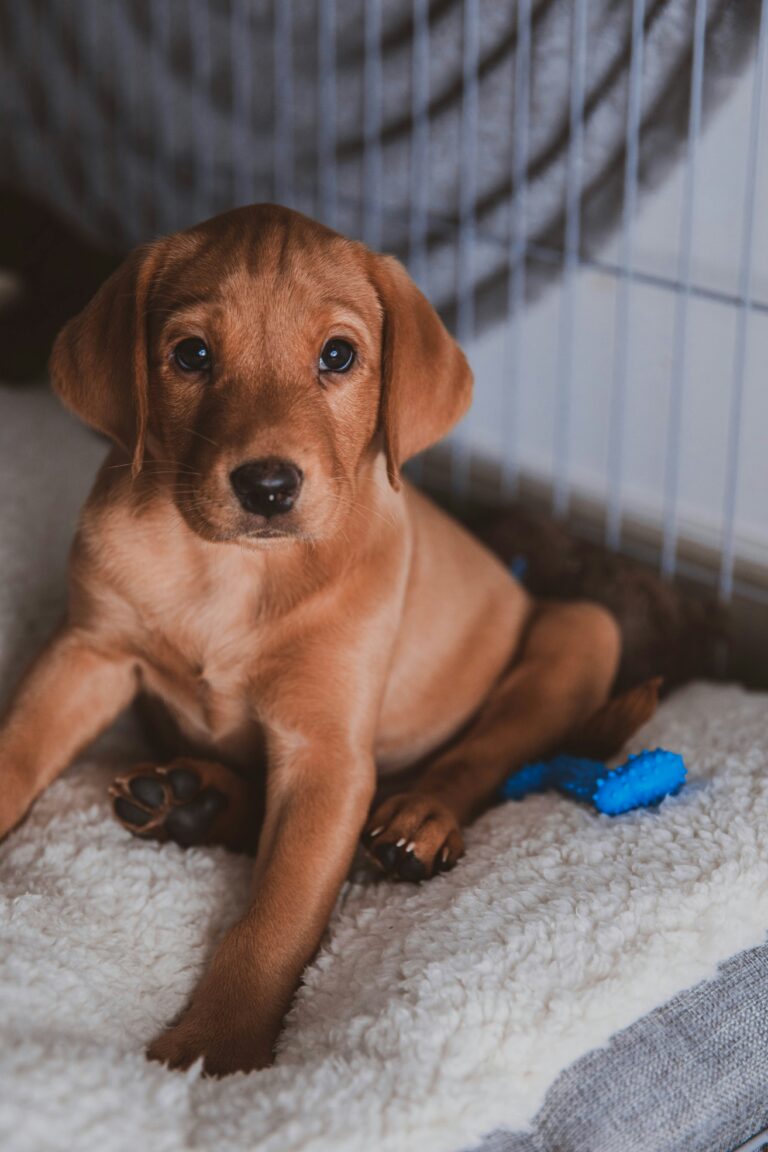
Puppies have even more to adjust to because they are still learning basic household rules.
A puppy may suddenly need to spend more time alone. Potty training can become more difficult when bathroom breaks change. Chewing and nipping may increase when the puppy gets bored or overtired.
A predictable schedule can make a huge difference.
Regular potty breaks, structured naps, appropriate chew toys, short training sessions, and consistent expectations help puppies understand what comes next.
Our puppy training programs can also help families establish those habits early, so puppies have a stronger foundation as they grow.
Professional Dog Behavioral Training Can Help
When several behavior problems appear at once, it can be difficult to know where to start.
Your dog may bark because they are anxious, pull because they are overstimulated, and chew because they are bored. You may try three different techniques you found online and end up more confused than when you started.
That is where professional guidance can help.
At Sit Happens Dog Training Tampa, we provide personalized dog behavioral training designed around your dog and your family’s everyday life. We help families work through challenges such as barking, anxiety, leash reactivity, jumping, destructive behavior, impulse control, and obedience.
We also offer dog training, puppy training, obedience training, and leash training.
Most importantly, we help owners understand what their dogs are communicating and respond consistently.
Effective training shouldn’t feel like a collection of random internet advice assembled at midnight.
It should make sense for your dog.
A Better School-Year Routine Starts Now
Back-to-school season brings plenty of changes, but your dog does not have to struggle through them.
A predictable routine, appropriate exercise, mental stimulation, consistent expectations, and professional guidance can help your dog adjust to spending more time alone and handling a busier household.
Over time, those small changes can make a big difference.
Mornings become easier.
Walks become calmer.
After-school greetings become more manageable.
Your dog learns how to settle when the house gets busy and relax when everyone leaves.
And perhaps most importantly, your dog learns that a change in routine does not mean something is wrong.
It is simply part of life.
Start Dog Behavioral Training in Tampa
If your dog’s behavior changes whenever your family’s routine changes, you do not have to wait for the problem to get worse.
Sit Happens Dog Training Tampa provides personalized dog behavioral training in Tampa and surrounding Tampa Bay communities. We help families understand their dogs, improve communication, and build habits that work in real life.
Whether you have a puppy preparing for its first school year or an adult dog struggling with separation, barking, leash reactivity, or obedience, we can help you create a training plan that fits your family.
Ready for a calmer back-to-school season? Contact Sit Happens Dog Training Tampa today to schedule your free consultation and start building better habits with your dog.
Follow Sit Happens Tampa on Facebook and Instagram for dog training tips, helpful advice, and client success stories.
📞 Call today: 813-695-9430
🌐 Visit us online: Sit Happens Tampa